Gorée’s dark past
-

- January 22, 2026
I woke on my first morning on the Senegalese island of Gorée to the sound of someone sweeping and a breeze rustling through the trees outside my window.
Seabirds were riding the air currents, and Modour, the manager of the Maison Agustin LY, was clanking about in the kitchen preparing my breakfast.
It felt like I was a million miles away from the rest of the world, although the bustle of Dakar was barely two kilometres away.
Gorée’s dark past as a notorious slave port between the 15th and 19th centuries seemed just as distant, but reminders were there to be seen if you knew where to look. Indeed, the most obvious, the House of Slaves, was barely 100 metres from my hotel.
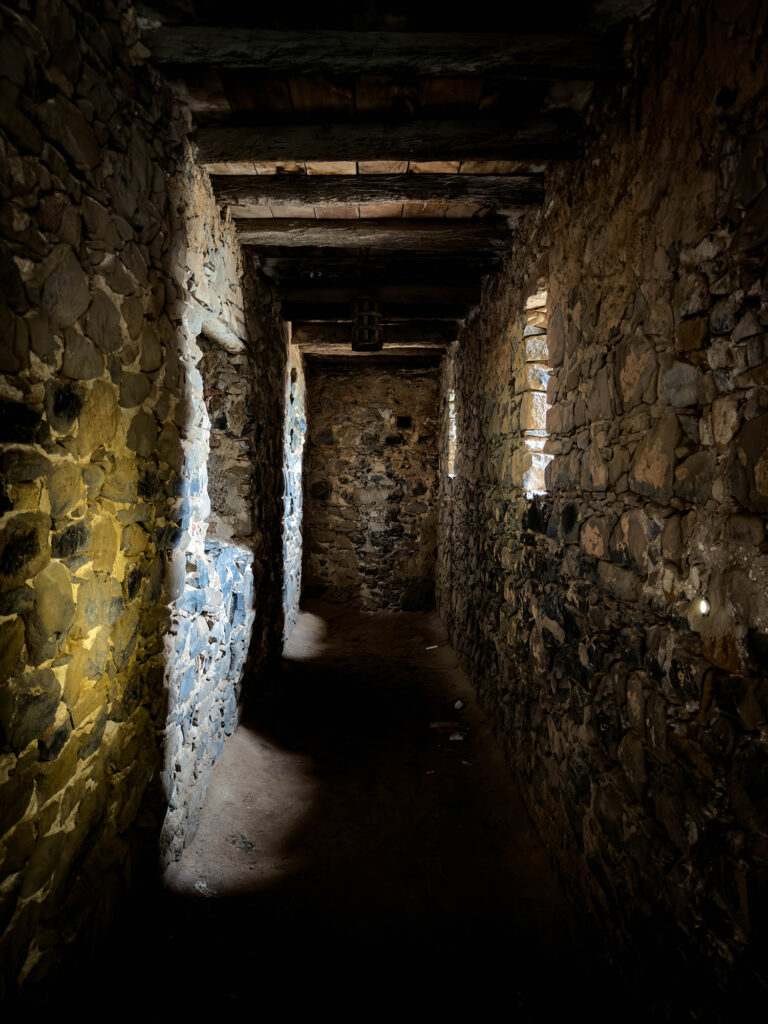
Known locally as Maison des Esclaves, the building served as a warehouse for slaves before they were shipped off to the New World for a life of hardship and abuse.
The abuse began here, in the cramped dungeons, and through the Door of No Return that they were herded and hustled through and onto hellishly crowded ships.
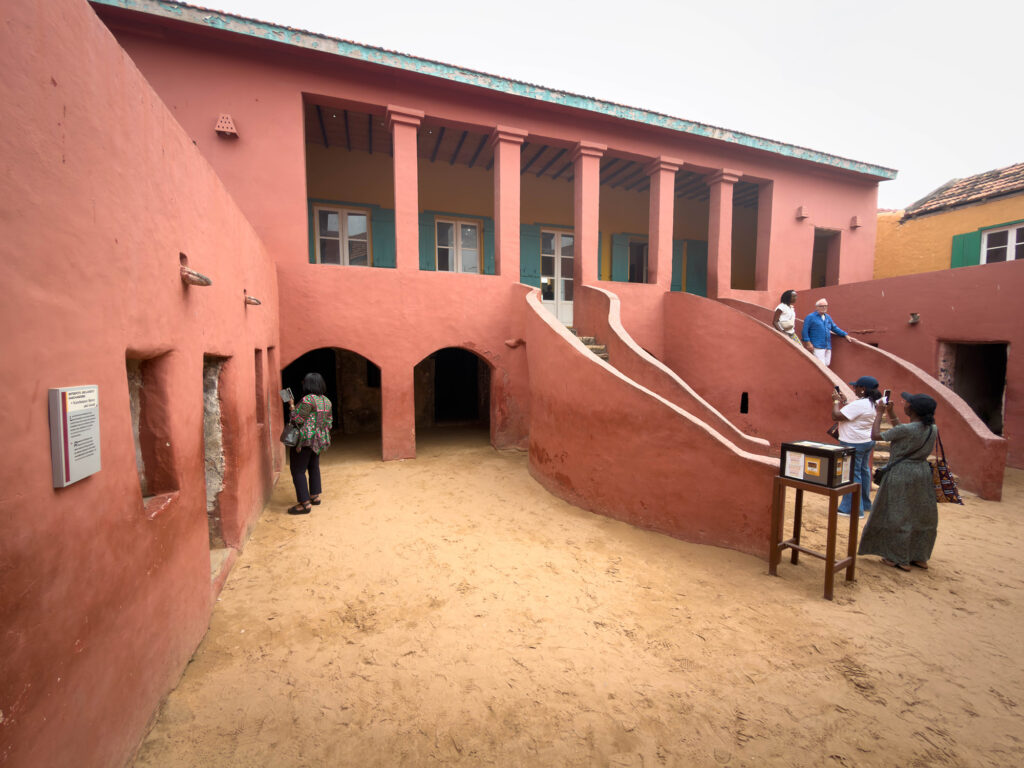
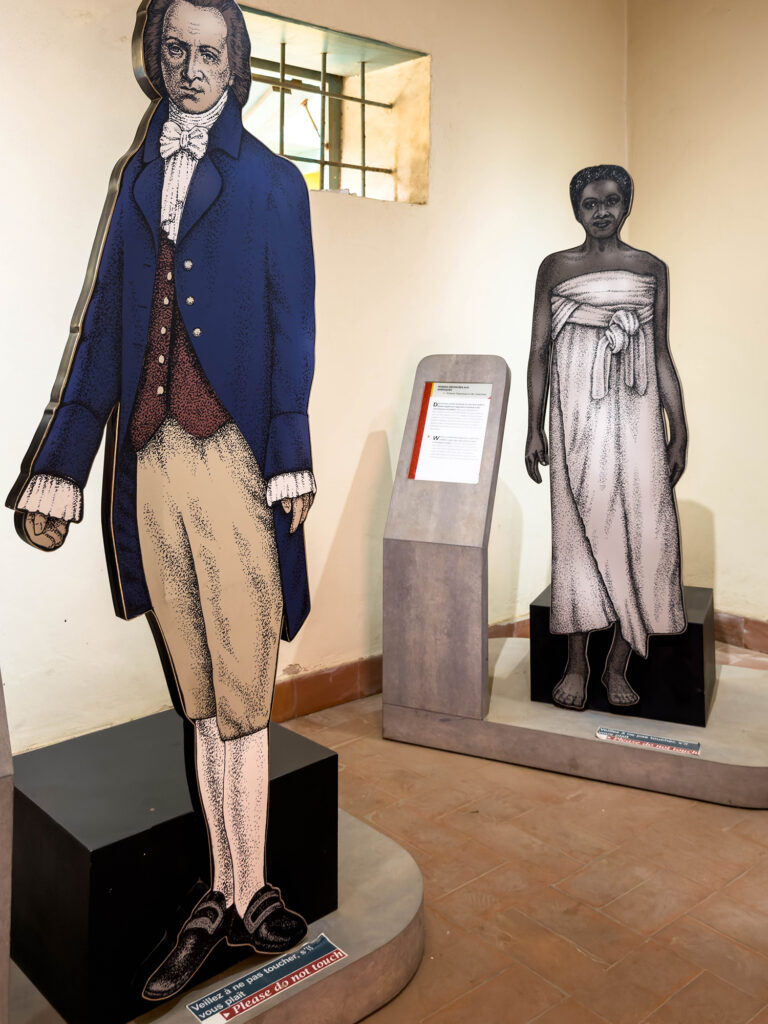
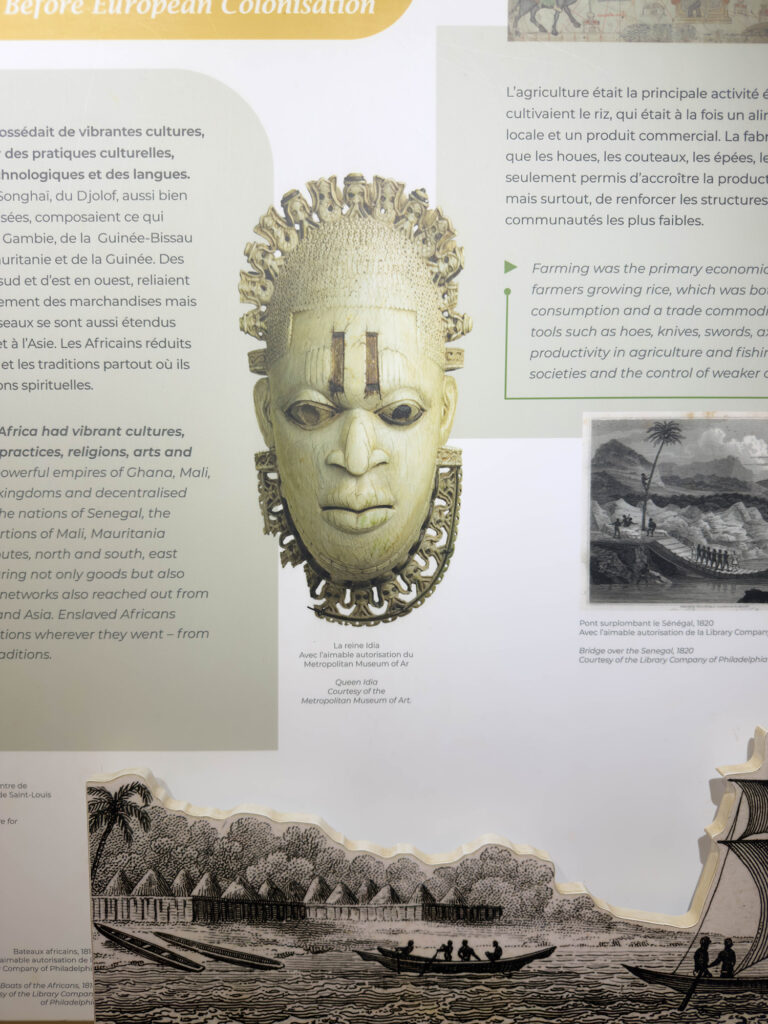
Today, it is a museum – and a very good one too.
It documents both the history of the trade and the building itself, and has become something of a place of pilgrimage for dignitaries of all stripes. Yasser Arafat. Pope John Paul II. Nelson Mandela.
Three of the last four sitting US presidents. Can you guess which one hasn’t?.
I arrived just after the museum opened at 10 am and had the place pretty much to myself. It may have been my imagination, but a darkness seemed to seep from the walls, despite the fresh paint and modern displays.
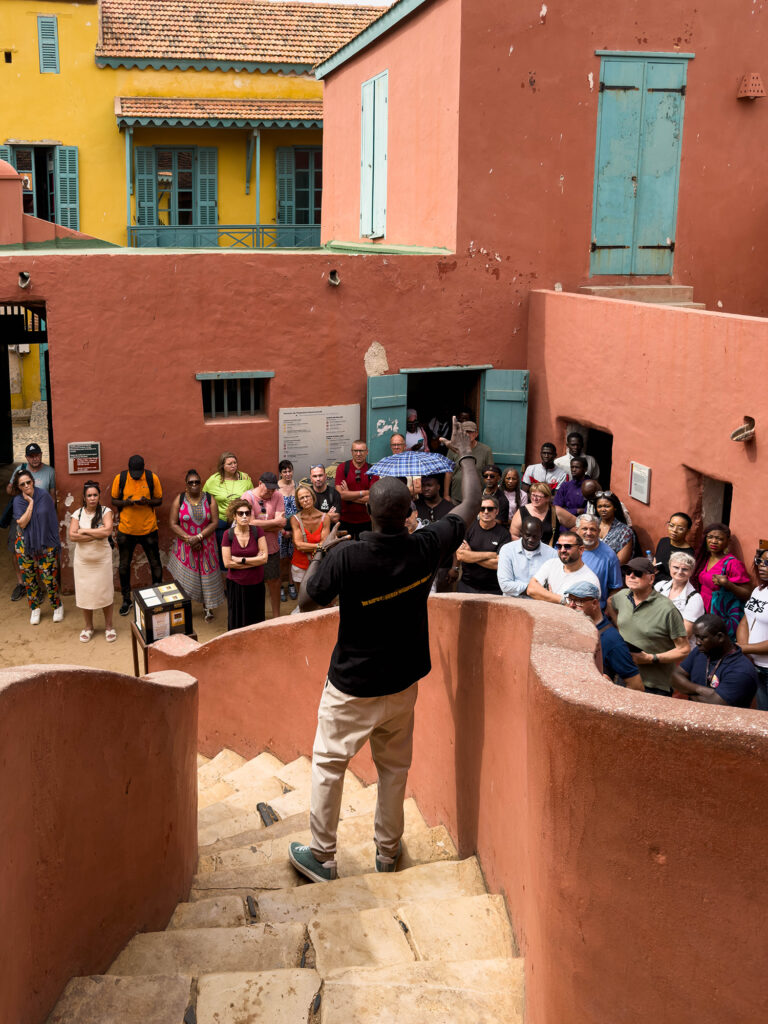
Then, the first boat of day-trippers arrived from Dakar and the place was flooded with French tourists. Their guide had the demeanour of a Pentecostal preacher, regaling them with dark tales in a florid theatrical manner.
I stood briefly at the Door of No Return while he held their attention.
I tried to imagine what it must have felt like for the poor souls that passed through it, but I knew in my heart that it would be impossible for me to even comprehend a minuscule fraction of the horrors they’d suffered.
I stepped aside for an African American woman. She told me that she had travelled all the way from Georgia, especially to stand here.
As she stood in the doorway, she slumped and began to sob.
Her ancestors had passed through this very door.
And by returning, she had helped them defy the dark message of the door.
Well, their DNA, anyway.
Main image: A visitor from the USA stands at the ‘Door of No Return’ at the Maison des Esclaves.